
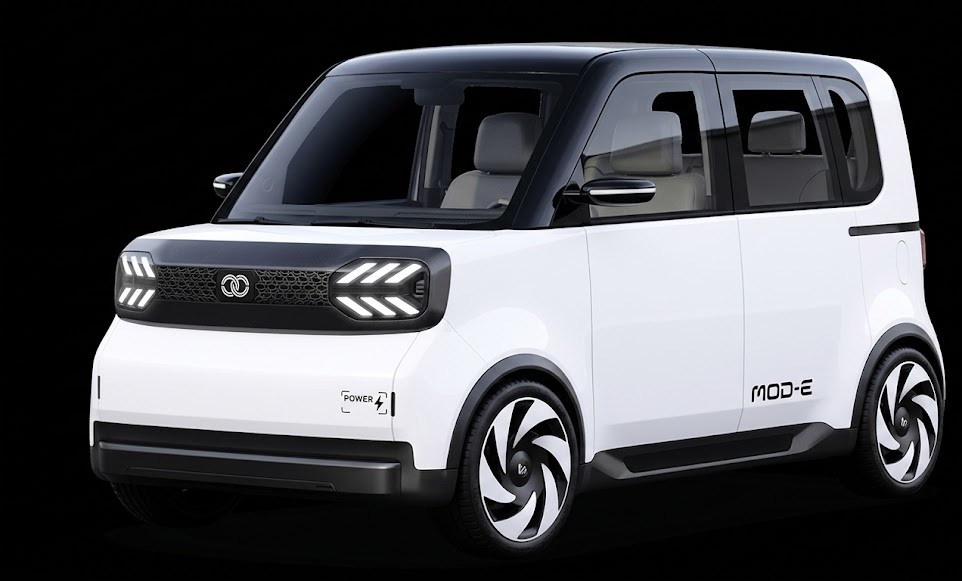
A new electric vehicle venture has been unveiled by a collaboration between Japanese and Chinese automotive firms, targeting the Japanese market with an eye on the popular kei car segment. Yokohama’s EMT Co. has introduced the EMTA brand, which will focus on producing compact electric vehicles, with the first model expected to hit the roads by 2027. The project encompasses a diverse range of partners, including Japanese companies Autobacs Seven and Anest Iwata, in conjunction with Chinese automaker Chery Automobile and a battery producer.
The EMTA initiative aims to capture a significant share of Japan’s automotive market, where kei cars represent over one-third of new vehicle sales. These small vehicles, often used for daily commutes, present an ideal opportunity for electric mobility solutions, given that range anxiety is less of a concern for their typical usage patterns. The design and production tasks will be managed in China, while the planning and marketing endeavors will be centered in Japan. The upcoming vehicles are expected to feature state-of-the-art digital capabilities, such as wireless software updates, smartphone connectivity, and automated driving support.
In addition to releasing its compact kei EV, EMT is considering utilizing select Autobacs store locations as outlets for sales. The company also plans to introduce three more electric vehicle models by the close of 2029. Looking further ahead, EMT is contemplating the possibility of setting up manufacturing facilities in Japan and exploring opportunities to expand into international markets.
As EMT makes its strategic move, the competition within Japan’s kei electric vehicle sector is intensifying. BYD, another Chinese automaker, is poised to launch its Racco kei EV aimed at Japanese consumers. Simultaneously, Nissan has broadened its Sakura lineup with a more budget-friendly version, while Suzuki is preparing to release a kei EV within the current fiscal year. In a similar vein, Honda is working on an electric iteration of its well-known N-Box, set for release in 2028.
The influx of entrants into the small electric vehicle market underscores a growing momentum as automakers vie for the attention of urban buyers who are mindful of costs. The increasing interest in kei EVs reflects a broader shift towards sustainable urban transportation solutions, as manufacturers strive to meet the evolving preferences of consumers in Japan.