
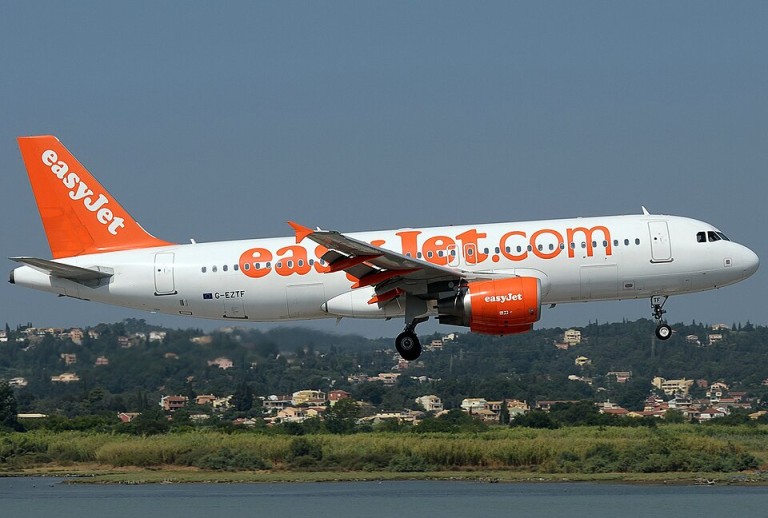
The American investment firm Castlelake has publicly announced its £4.7 billion bid to acquire easyJet, following the airline’s rejection of its third offer. This latest proposal, which values easyJet at 625 pence per share, comes after previous offers of 560p and 600p were turned down. Castlelake, based in Minneapolis and managing around $36 billion in assets, decided to disclose the bid publicly, aiming to allow shareholders to evaluate the offer before the June 26 deadline for the takeover.
Castlelake’s frustration stems from what it perceives as easyJet’s board’s reluctance to engage seriously with its proposals. In response to European ownership regulations that mandate EU airlines must remain majority-owned by European investors, Castlelake has teamed up with aviation industry figures Peter Bellew and Mark Breen. Their plan involves creating an EU-controlled entity that would hold a majority stake in easyJet to comply with these regulations.
Despite these efforts, easyJet has firmly rejected Castlelake’s proposal, labeling it as an opportunistic attempt to acquire the airline at a low valuation. The company argued that the offer fails to account for its long-term growth potential and comes at a time when its share price is still affected by geopolitical uncertainties. Additionally, easyJet expressed concerns over the transparency of the ownership structure proposed by Castlelake, stating that the offer does not accurately reflect the airline’s value or future prospects.
The ongoing takeover speculation has positively impacted easyJet’s market performance, with its shares rising about 40% over the past month. Following Castlelake’s announcement, easyJet’s stock continued to trade higher, reflecting increased investor interest. As one of Europe’s leading budget airlines, easyJet, headquartered in Luton, ranks behind Ryanair but ahead of Wizz Air in the low-cost carrier sector.
Castlelake now faces a decision to either formalize its takeover bid by June 26 or withdraw from the pursuit. The unfolding situation highlights the competitive dynamics in the airline industry and the strategic maneuvers by major players seeking to expand their influence within the market.