
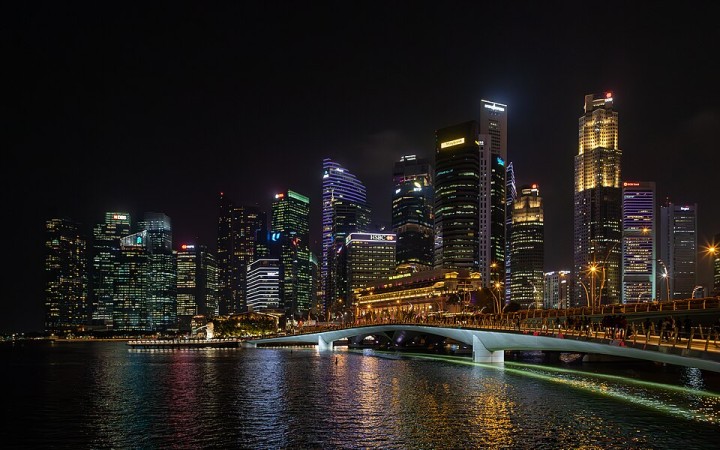
The United States may impose a new 12.5% tariff on Singaporean exports following a trade investigation that alleges Singapore has failed to enforce a ban on goods produced using forced labor. This potential tariff is part of a larger U.S. effort to address labor rights concerns in global supply chains and is currently open to public consultation. Hearings on the matter are slated to begin in July, with the final decision hinging on the outcomes of these discussions.
U.S. investigators have identified Singapore among several economies accused of not implementing or effectively enforcing measures against importing goods made with forced labor. American officials argue that such practices result in unfair competition, harming U.S. workers and businesses. The proposed tariff could impact a variety of Singaporean products entering the American market if it is ultimately enacted.
In response, Singapore has strongly disputed the investigation’s findings. Singaporean authorities insist there is no evidence linking their country to the export of forced labor products to the United States. They further assert that they are unaware of any goods involved in such practices being shipped from Singapore to the U.S.
This proposed tariff measure is just one component of a broader strategy by the United States to scrutinize and address the issue of forced labor within international supply chains. As the consultation process unfolds, the situation remains in flux, with a final decision pending the upcoming hearings and public feedback in the next few weeks.