
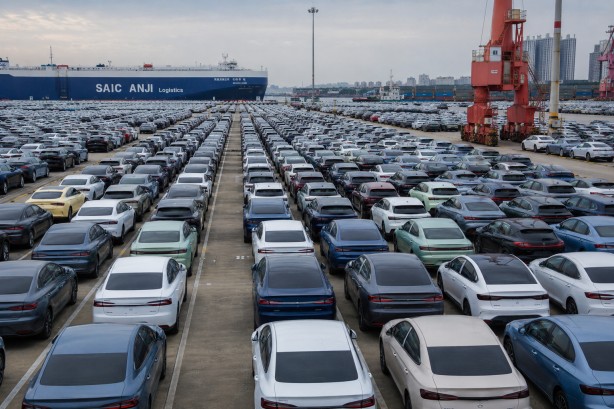
In recent years, China’s emergence as the leading market for electric vehicles has significantly influenced the global automotive landscape, fostering the growth of many major companies. This swift expansion, however, has sparked worries about potential overproduction and heightened competition. Over the last ten years, a combination of government incentives, substantial local investments, and robust consumer interest has led to the entry of hundreds of companies into the electric vehicle market. This approach has not only propelled several Chinese automakers to success but also bolstered the nation’s advancements in battery technology and clean transportation.
Yet, this rapid growth has outpaced demand in certain sectors, resulting in an overabundance of production facilities that exceed current market needs. This has triggered price battles among manufacturers and financial strain throughout the industry. As companies vie for market dominance, fierce competition has emerged, with manufacturers slashing prices to lure customers. Consequently, smaller firms are struggling to keep pace, while larger corporations continue to invest heavily in technology, production capabilities, and international expansion.
Chinese authorities have begun expressing apprehensions about the risks associated with overcapacity, cautioning that unchecked growth could pose economic challenges. Industry experts suggest that the current challenge involves finding a balance between fostering innovation and maintaining sustainable development over the long term. Despite these obstacles, China maintains its position as the global leader in electric vehicles, with its manufacturers actively pursuing expansion into international markets and influencing the future trajectory of transportation.