
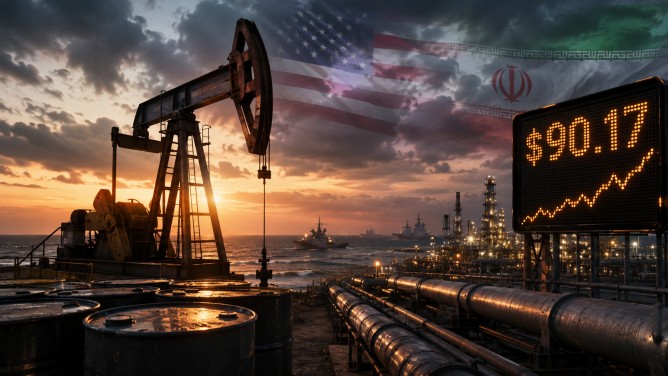
In a dramatic turn of events in the geopolitical landscape, oil prices surged sharply due to the expiration of the negotiation period between the United States and Iran without reaching a peace agreement. This development has sparked worries about ongoing conflicts potentially further disrupting global energy supplies. Brent crude prices have climbed above $90 per barrel, reaching approximately $91.63, marking the highest level seen since July 30. The price increase followed a strong stance by US President Donald Trump, who has insisted that Iran must capitulate, while also cautioning that the conflict might worsen if diplomatic avenues remain unfruitful.
The strategic Strait of Hormuz, a pivotal channel for global oil shipments, has become a focal point of concern. There has been a notable decline in the number of commercial vessels navigating through this vital route, which has heightened anxieties about extended disturbances in oil supply chains. This critical juncture is under scrutiny as Iran has signaled it may pursue a more assertive military approach if negotiations fail to produce a resolution. An alleged assault on a cargo ship transiting the strait has only added to the mounting apprehension regarding maritime safety in the region.
Investor sentiment is increasingly cautious as they brace for the possibility of prolonged disruptions in oil deliveries. Any extended closure or diminished activity through the Strait of Hormuz is likely to exert additional upward pressure on crude oil prices. This concern is compounded by the continuing conflict in the Middle East, which, when combined with the ongoing war in Ukraine, could deliver further shocks to global energy markets.
Energy analysts are raising alarms that these overlapping conflicts may lead to sustained increases in oil and gas prices. The confluence of these crises underscores the fragility of current global energy supplies and the potential for volatility in energy prices if tensions in these regions persist. The international community watches closely, aware that the stakes are high not only for regional stability but also for the broader economic landscape that is intricately linked to energy market fluctuations.