
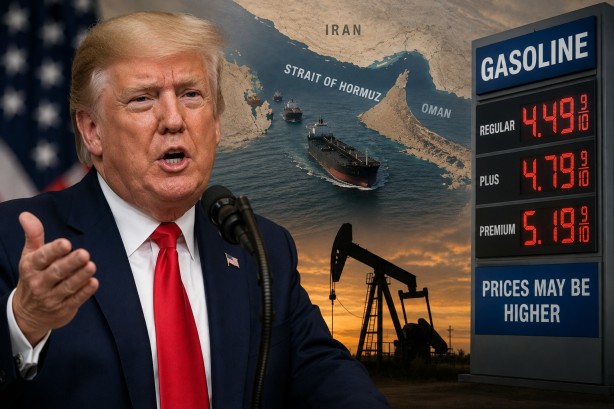
Amid ongoing tensions with Iran, US President Donald Trump has called for American citizens to brace for slightly higher gasoline prices, a consequence of the disrupted shipping in the critical Strait of Hormuz. During a rally held in New York, Trump emphasized that paying “a tiny little bit more” at the pump is a necessary sacrifice to prevent Iran from developing nuclear weapons. He further mentioned the possibility of declaring the Strait of Hormuz as “a territory of the United States” following a victory over Iran.
Iran, however, has dismissed Trump’s assertions, maintaining control over the strategic waterway. Kazem Gharibabadi, Iran’s Deputy Foreign Minister, stated that Iran would continue to enforce the blockade until the United States acknowledges what he described as the reality of its defeat. Meanwhile, Abbas Araghchi, the Iranian Foreign Minister, noted that Tehran remains undecided about resuming negotiations with the US, stipulating that shipping through the strait will not resume until Iran’s conditions are met.
The impasse has led to significant disruptions in tanker traffic through the Strait of Hormuz, a vital corridor for the transportation of global oil and natural gas. This uncertainty has contributed to a rise in crude oil prices, consequently exerting upward pressure on fuel costs. In the US, the average gasoline price has surged to approximately $4.08 per gallon, marking an increase of about 29% compared to the previous year. Brent crude prices are also poised for a substantial weekly gain.
In Iran, the economic repercussions are palpable as well. Iranian President Masoud Pezeshkian has pointed to the US-imposed blockade, along with sanctions and restrictions on Iranian oil exports, as the main drivers of the nation’s rising inflation. Meanwhile, the Trump administration has indicated the possibility of imposing further financial measures against Tehran, as diplomatic efforts to reach a ceasefire remain at a standstill.